Nordic ski touring
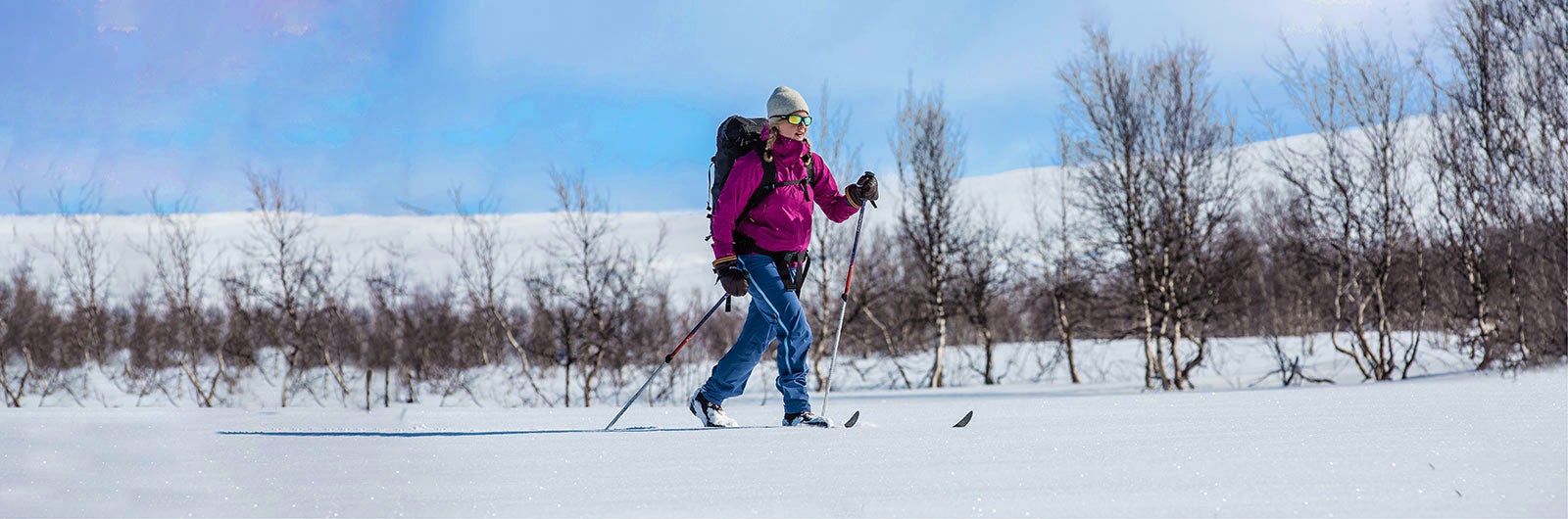
Have you hiked in the mountains before and are curious about what a winter mountain trip is like? Backcountry skiing is a wonderful way to find out. You’ll recognise everything you love about the mountains in summer – the nature experience, the sense of freedom and the community at STF’s accommodations. The tour can be fully adapted to your own ability.
With touring skis on your feet, you can explore untouched mountain terrain in winter. This differs from cross-country skiing, which requires groomed tracks and often takes place near resorts. The difference between touring skis and cross-country skis is that touring skis are more stable – they are wider, thicker and often have steel edges that make downhill sections easier. You also use sturdier and warmer boots. While cross-country skiing is often seen as exercise, touring skis are more about exploration. These trips don’t have to be difficult – even young children can join a winter tour, and the very youngest can ride in a pulk. If you’re a beginner, it’s wise to start by following marked winter trails on flat terrain. Over time, you can begin exploring mountain slopes.
The equipment is largely the same for beginners and experienced skiers. Some skis are suited for flat terrain and deep snow, but most resemble alpine skis, meaning they have steel edges for better grip on mountain slopes. You can get advice and rent equipment at several of STF’s mountain stations.
Navigate past video or other external content.Ski touring experiences
What is nordic ski touring?
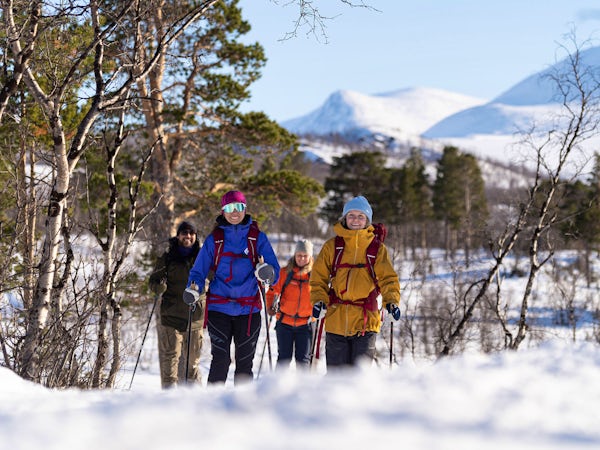
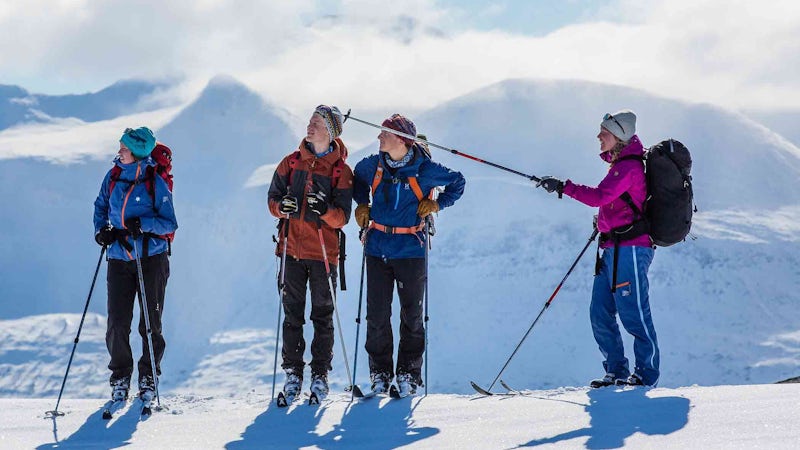
With nordic touring skis on your feet, you can explore completely untouched mountain terrain. It differs from cross-country skiing, which usually requires groomed tracks and often takes place near resorts. The difference between nordic touring skis and cross-country skis is that a pair of nordic touring skis is more stable. They are slightly wider, thicker, and often have an edge that makes downhill skiing easier. You also wear a more stable and warmer boot. While cross-country skiing is a form of exercise, nordic ski touring is more about exploring. These adventures don’t have to be challenging – even young children can come along. However, if you’re a beginner, it’s wise to stick to marked winter trails on flat terrain.
The ski equipment is roughly the same for beginners as it is for professionals. Some of them are suitable for flat terrain with loose snow, but most resemble downhill skis, meaning they have an edge that provides better grip while traveling more diagonally in the terrain. You can get tips and rent equipment at several of the STF mountain stations.
Tips for beginners
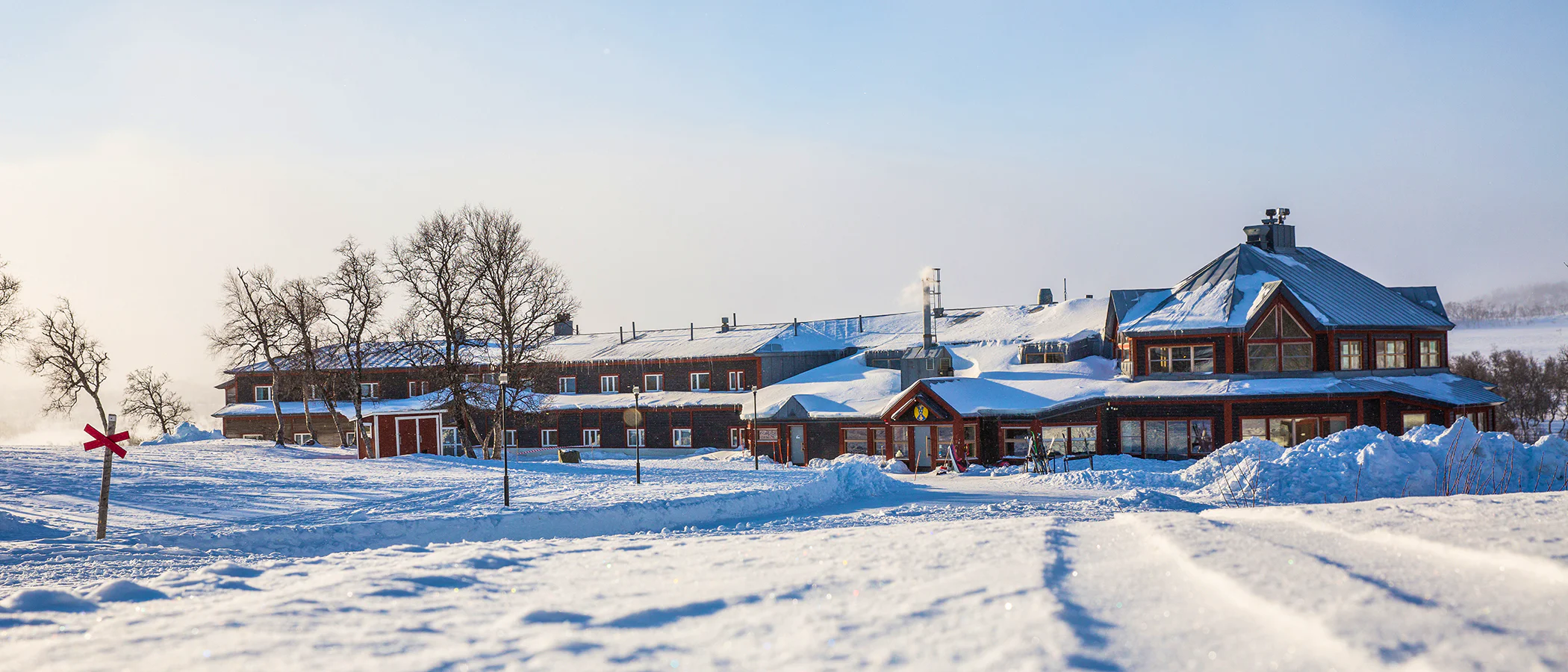
Accommodation for ski touring


More tips for you
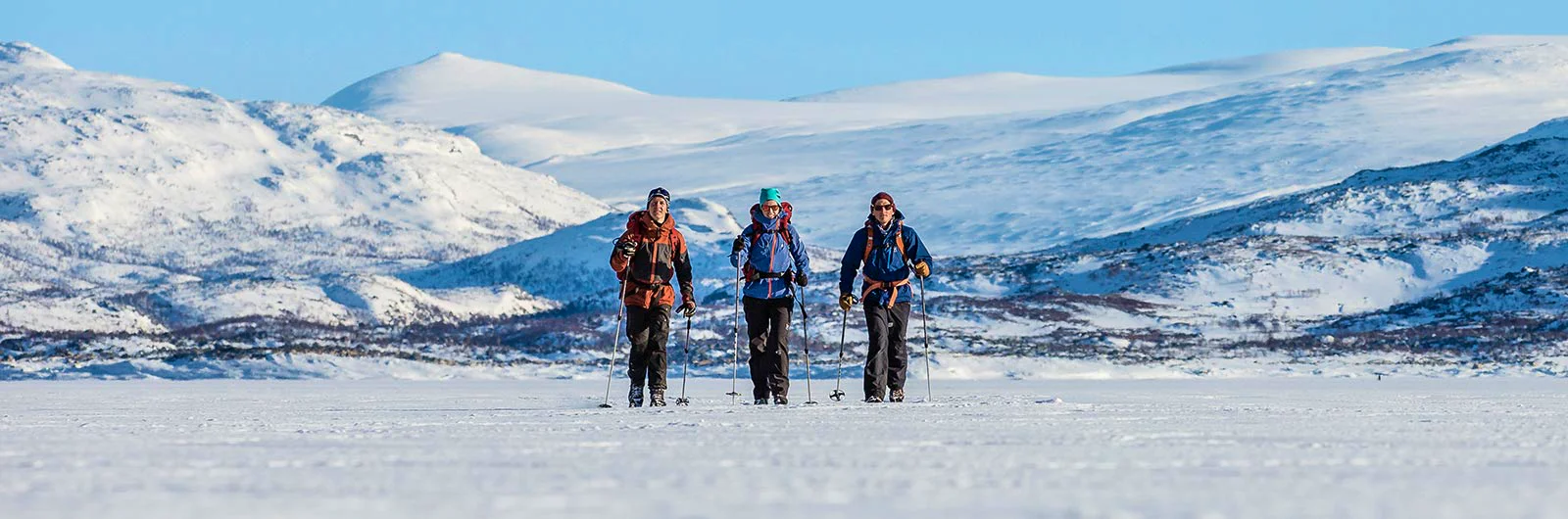
Packing list backcountry skiing – day trip
A day trip on backcountry skis takes you straight into the winter mountains, far from groomed tracks and lift queues. With the right packing, the trip becomes both safer and more enjoyable.
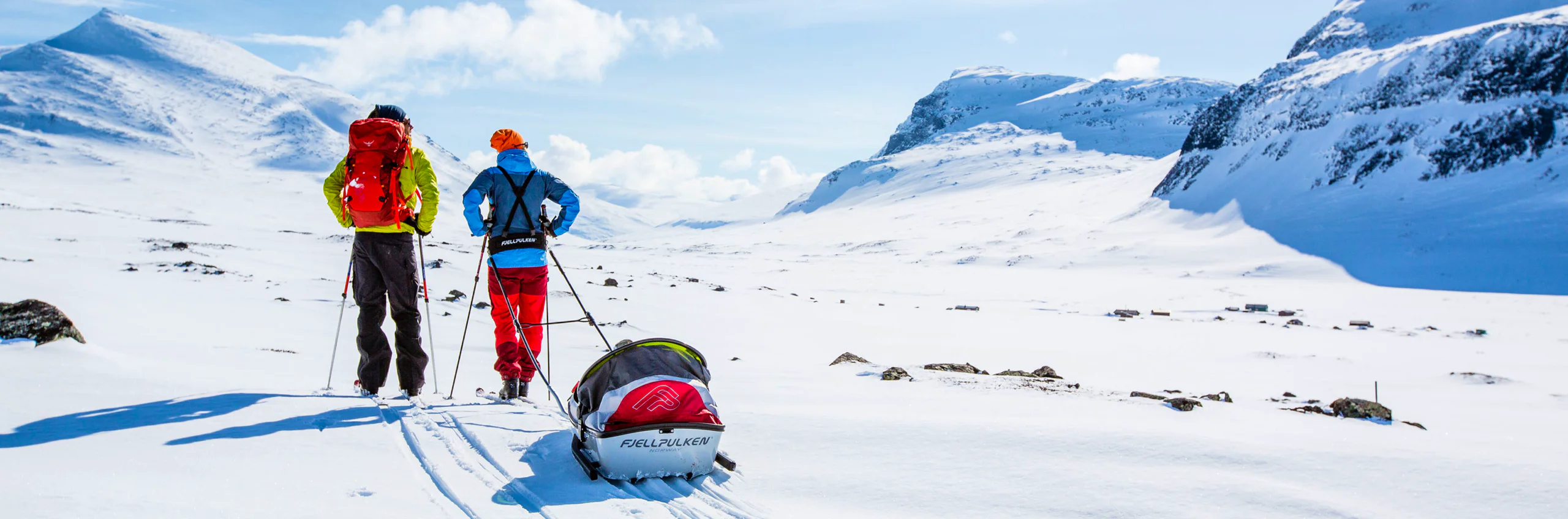
Packing list backcountry skiing – multi-day trip
A multi-day backcountry ski tour takes you deep into the winter landscape, and you need to carry everything required for both the days on the mountain and the nights in cabins or at a mountain station.

Mountain guide
Find important information about mountain safety, waste management, and what it’s like to stay in a mountain cabin.