
Packing list mountain hiking – with a tent
Hiking in the mountains with a tent offers a special kind of freedom—you can stop where the views are at their best and adapt your route based on weather, energy, and curiosity. At the same time, a tent-based trip requires more planning and packing.
When you carry both shelter and cooking equipment, it’s important to think carefully about what is truly necessary in your backpack. Your gear needs to cover both the hike itself and life at camp, while keeping the weight manageable. With the right tent setup, extra clothing, and enough food, you’ll be well prepared for safe nights and great experiences in the mountains.
Packing list mountain hiking – with a tent
Equipment
Safety
Clothing
Hygiene
Food and drink
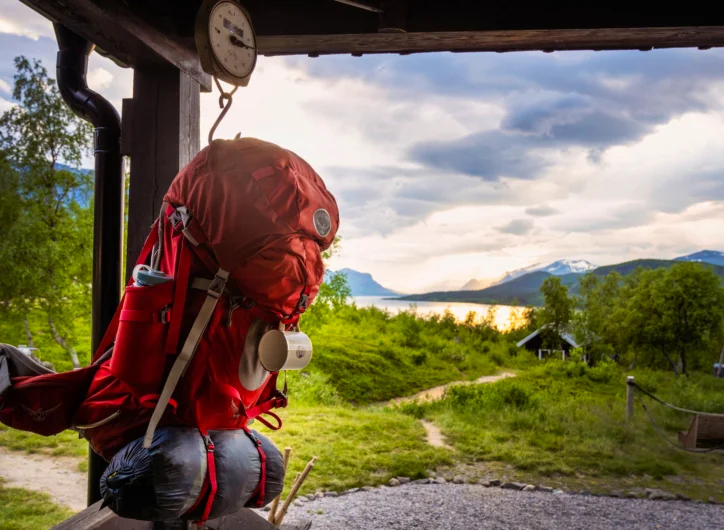
Packing tips for hiking
- Choose the right materials. Wool keeps you warm even when damp and works well both during activity and rest. Merino wool breathes well and doesn’t retain odours like synthetic materials can. Synthetics wick moisture effectively and are great when you’re active. Avoid cotton, as it cools you down when wet.
- Pack light. You usually need fewer changes of clothes than you think. A lighter backpack makes the hike both easier and more enjoyable.
- Test-pack at home. Pack your backpack well in advance, weigh it, and try carrying it on a longer walk. You’ll quickly notice if anything needs adjusting.
- Organise your packing. Using lightweight waterproof stuff sacks helps keep your gear organised and provides extra protection to keep your clothes dry.
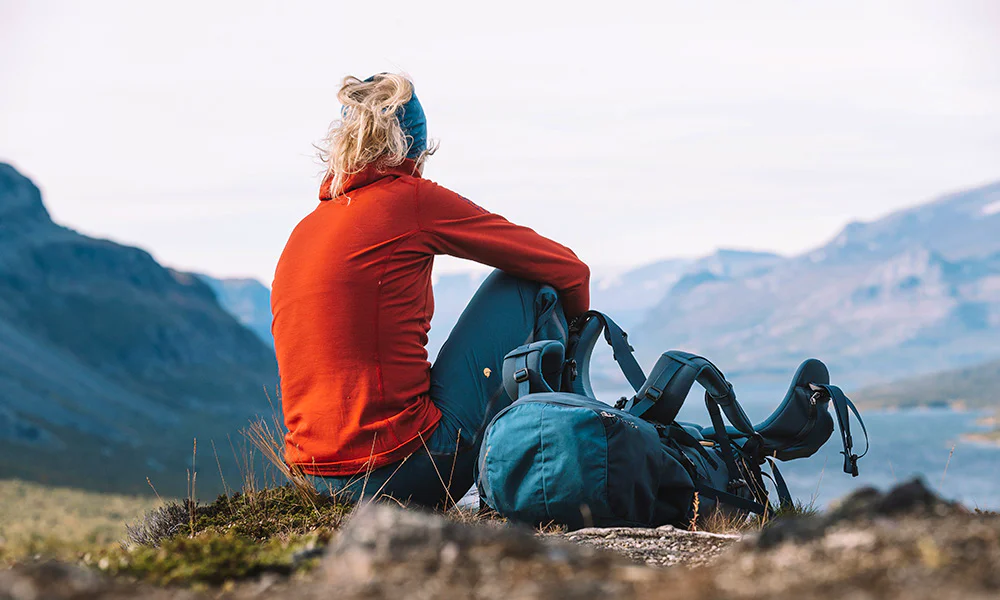
Don’t have your own equipment?
Rent instead of buying! You can rent equipment at many of our mountain stations. As an STF member, you also get discounts on outdoor gear and sportswear at Outdoor Buddies—great for both your wallet and the environment.
Your membership benefitsMore pages about hiking

Hiking
On this page you will find helpful tips and information for your hike.
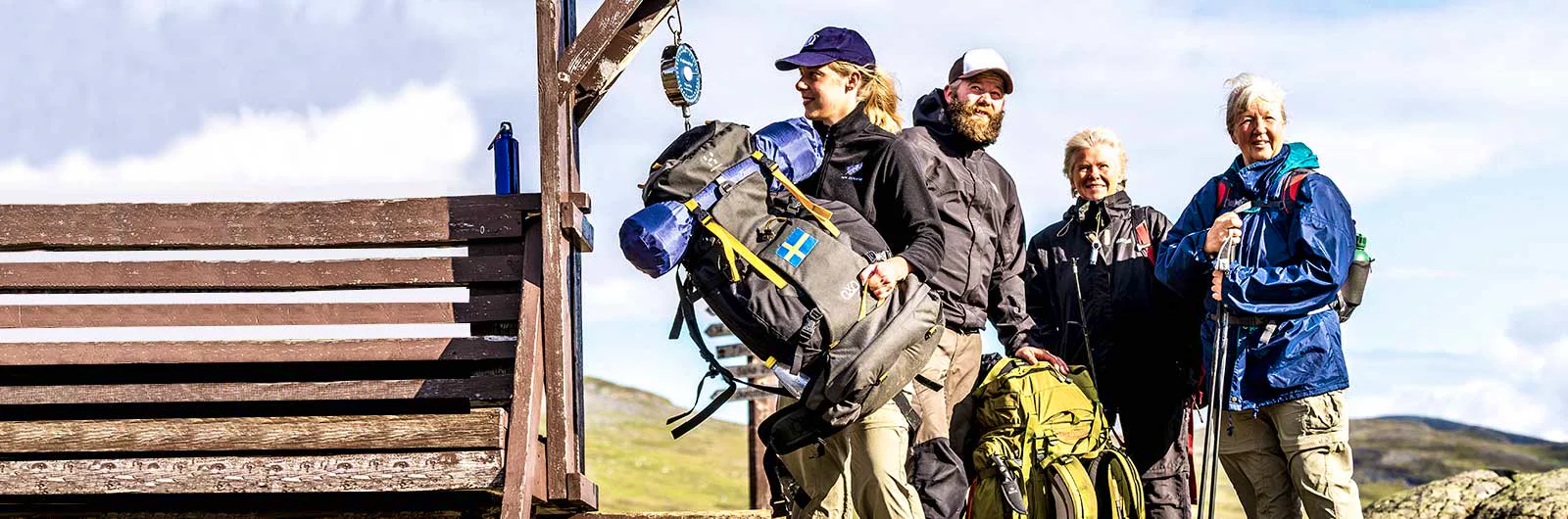
Packing lists
Wondering what to pack for a day hike in the mountains, or for a longer trek? Here you’ll find packing lists for both summer and winter, day trips and multi-day hikes, with or without a tent, and with or without children.
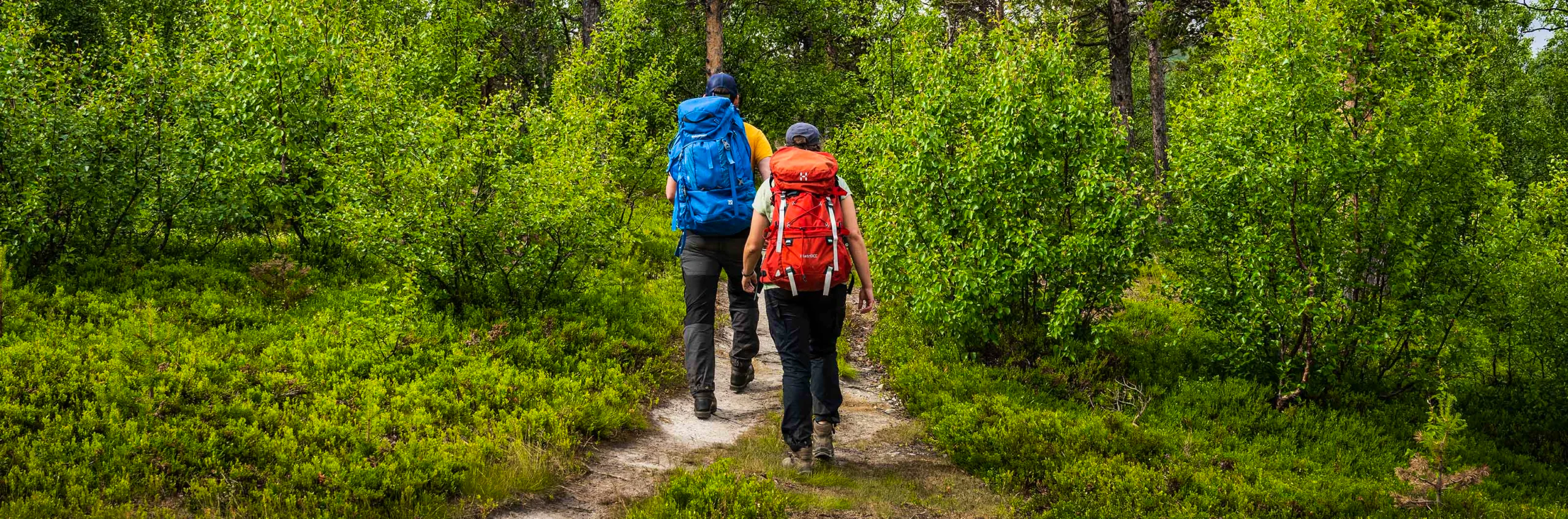
Equipment for hiking
On this page you will find tips on how to pack smart, what to keep in mind when camping, and how to cook outdoors.