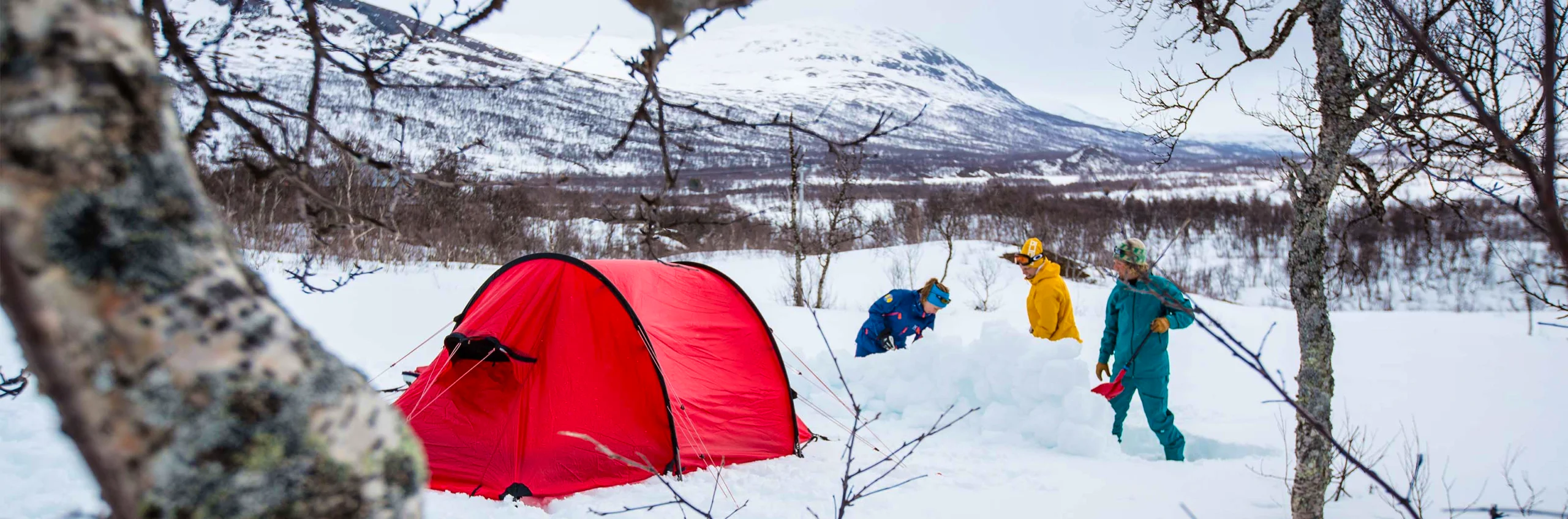
Packing list winter camping
Winter camping is a special experience. The silence, the light, and the feeling of waking up in a snow-covered landscape are something you have to experience. At the same time, the cold places higher demands on both equipment and planning.
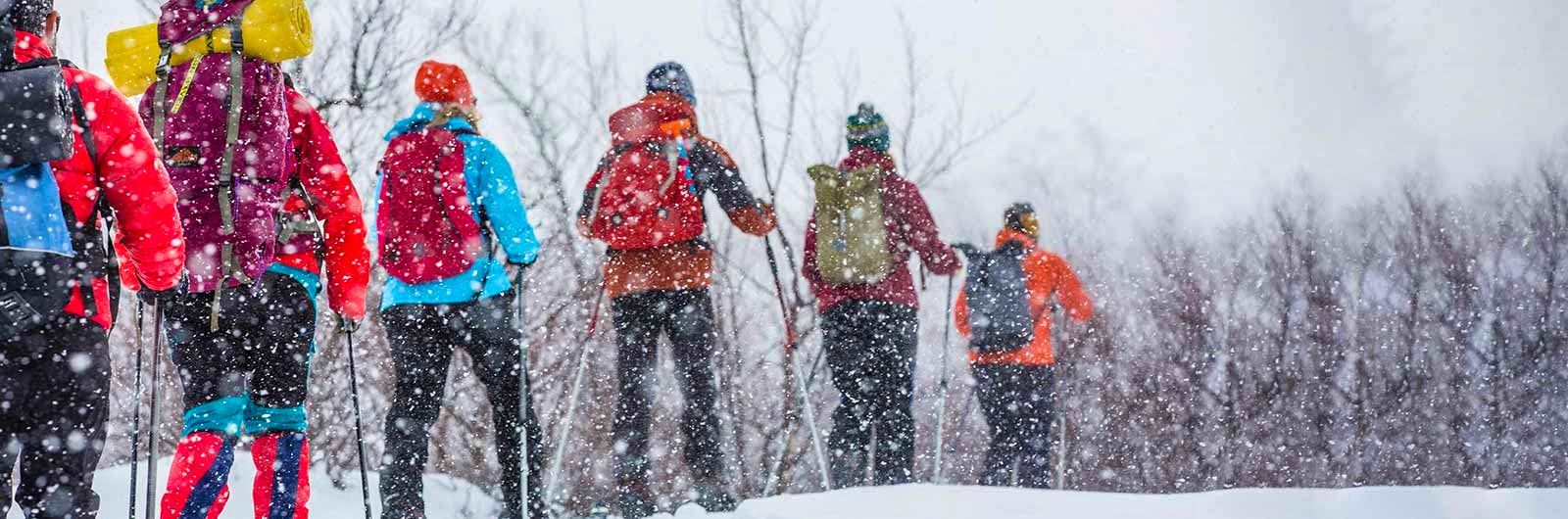
When staying overnight outdoors in winter, you need to be prepared for low temperatures and rapidly changing weather. The right equipment, warm clothing, and enough food and fluids are essential to maintain warmth and energy. With a well-thought-out pack, you’ll have better conditions for safe nights in the tent and for truly enjoying the calm of the winter mountains.
Packing list winter camping
Equipment
Safety
Clothing
Food and drink
Sleeping in a tent
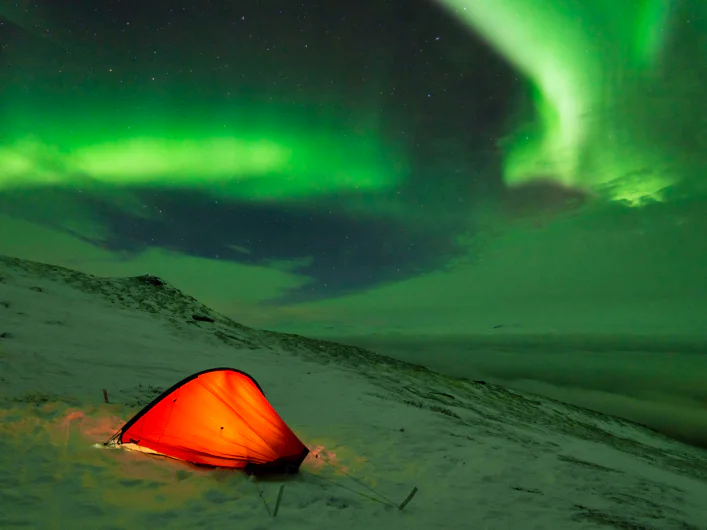
Tips for winter camping
- Stay dry. Moisture cools you down quickly in winter conditions. Change into dry clothes as soon as you get into the tent.
- Keep your sleep system warm. Combine two sleeping pads (one inflatable and one foam pad) for better insulation against the cold ground. A dry base layer and a hat make a big difference for a good night’s sleep.
- Protect water from freezing. Use a thermos or insulated bottle. A good tip is to store your water bottle in a wool sock inside the tent.
- Eat and drink regularly. Your body needs energy to stay warm. Eat often and top up with warm drinks during the day and in the evening.
- Pack smart. Keep essentials easily accessible – such as insulation layers, headlamp, and snacks.
- Plan your campsite. Choose a sheltered location, pack down the snow where the tent will stand, and consider the wind direction when pitching your tent.
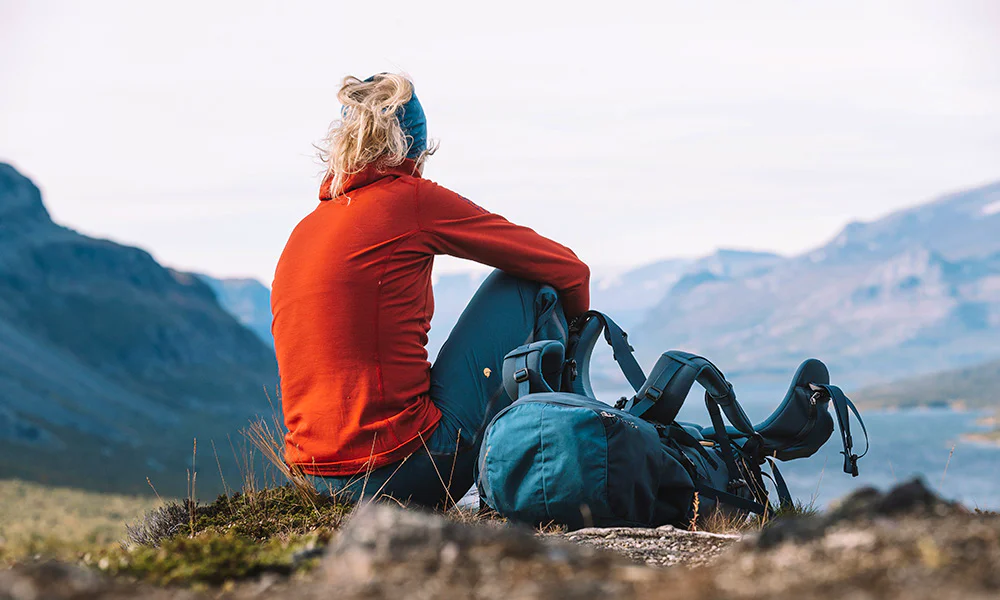
Don’t have your own equipment?
Rent instead of buying! You can rent equipment at many of our mountain stations. As an STF member, you also get discounts on outdoor gear and sportswear at Outdoor Buddies – great for both your wallet and the environment.
Your membership benefitsMore pages for you
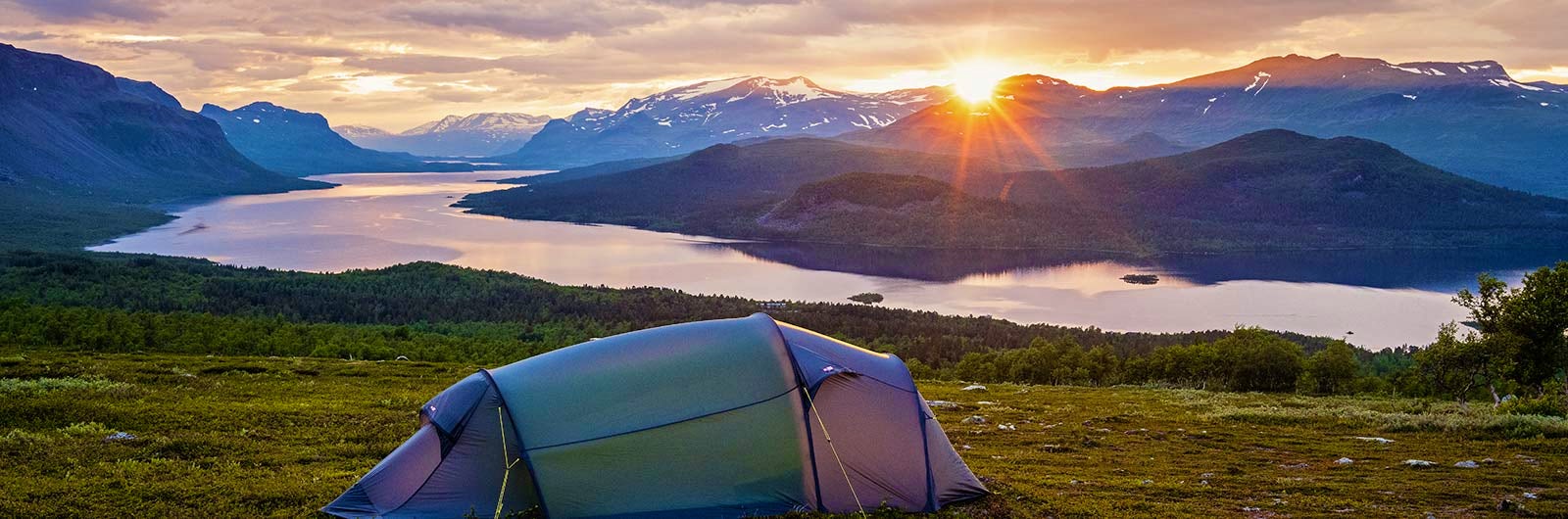
Hiking with a tent
Wondering what to consider when hiking with a tent, how to choose a campsite, or what to look for when buying new gear? Here you’ll find advice and tips for hiking with a tent.

All about mountain safety
Learn how to prevent injuries, use a map and compass, and safely cross streams during your hike.
The layer on layer principle
The primary function of clothing is to keep you dry, warm and protected. By dressing in multiple thin layers, you can easily adapt to changing weather conditions.