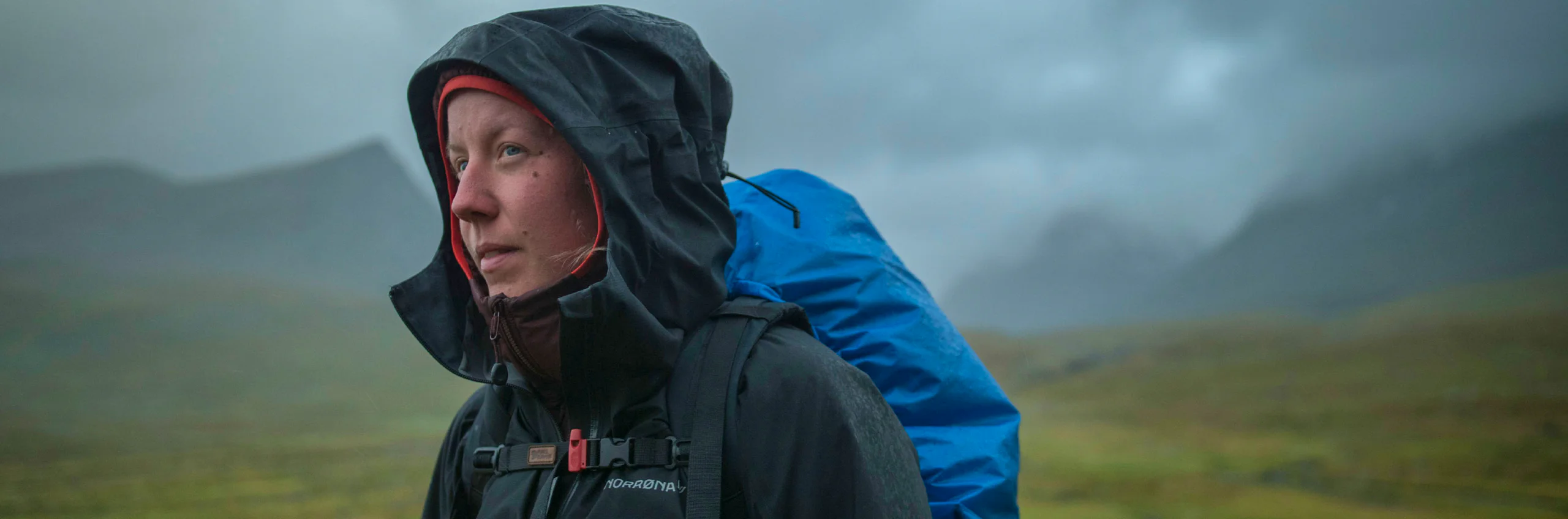
Weather in the mountains
Weather in the mountains can change quickly and make your trip more challenging than expected. That’s why it’s important to stay up to date with the latest forecast. Here you’ll find the most recent information on snow conditions and water levels.
2026-06-15
Spring and summer arrived early in the mountains this year, and all marked trails to the mountain cabins opening around midsummer are accessible. No updates will be provided for the mountain cabins opening later this summer.
Stay updated on snow conditions and water levels
Avalanche risk
The risk of avalanches is greatest on leeward slopes where snow accumulates, especially on slopes with an incline of 25 degrees or more. Cornices that form along ridgelines are extremely dangerous and should never be stepped on or passed beneath. The risk increases during heavy snowfall, strong winds and rapid temperature changes, as unstable snow layers can form. To reduce the risk, avoid the middle of large snowfields and instead follow ridges, higher ground and rocky terrain.
Wind chill effect
Wind is one of the natural forces you need to take extra care with when in the mountains during winter. Here we explain wind strength and give an idea of how wind speed can affect your planned activities. In winds above 11–13 m/s, those without mountain experience should avoid heading out. At 18–24 m/s, visibility is extremely poor and it becomes very difficult to move, even on skis and with the wind behind you. At this point, no one should be out in the mountains.
Perceived temperature at different wind speeds:
| 10°C | 5°C | 0°C | -5°C | -10°C | -15°C | -20°C | -25°C | -30°C | -35°C | -40°C | |
|---|---|---|---|---|---|---|---|---|---|---|---|
| 2m/s | 9 | 3 | -2 | -8 | -14 | -20 | -26 | -32 | -37 | -43 | -49 |
| 5m/s | 8 | 1 | -5 | -11 | -17 | -24 | -30 | -36 | -42 | -49 | -55 |
| 10m/s | 6 | 0 | -7 | -14 | -20 | -27 | -34 | -40 | -47 | -53 | -60 |
| 15m/s | 5 | -2 | -8 | -15 | -22 | -29 | -36 | -43 | -50 | -56 | -63 |
| 20m/s | 5 | -2 | -9 | -16 | -23 | -31 | -38 | -45 | -52 | -59 | -66 |
| 25m/s | 4 | -3 | -10 | -17 | -25 | -32 | -39 | -46 | -53 | -60 | -68 |
| 30m/s | 4 | -4 | -11 | -18 | -26 | -33 | -40 | -47 | -55 |
Source: The Mountain Safety Council (opens in new tab).

Flexible booking
Whether your own travel plans change or the world around you does, you’ll always have flexible booking terms when you book on our website. That’s what we call a true sense of freedom!
Go to our booking termsMore pages about the mountains

Mountain guide
Find important information about mountain safety, waste management, and what it’s like to stay in a mountain cabin.

Mountain safety
Learn how to prevent injuries, use a map and compass, and safely cross streams during your hike.

Mountain hiking
Discover hiking in the Swedish mountains, from day hikes to multi-day adventures.